Reading list
These are 60 books that shape the way I think
I enjoy books that investigate human behavior, big systemic challenges, and unique mental models for navigating a complex world. Views expressed in each book are not necessarily my own.
Design and product
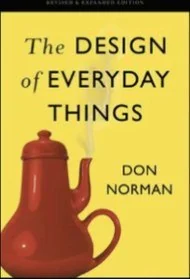
The Design of Everyday Things
Don Norman
Explains how affordances, feedback and mental models make everyday objects easy or hard to use, and why bad design is never the user’s fault.
Select any cover to read its note.
Design and product 21 books
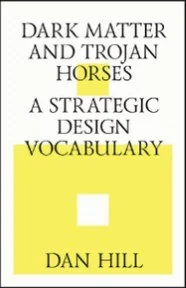
Dark Matter and Trojan Horses
Dan Hill
Makes the case for strategic design that changes the institutions, policies and cultures behind products and services.
The Design of Everyday Things
Don Norman
Explains how affordances, feedback and mental models make everyday objects easy or hard to use, and why bad design is never the user’s fault.
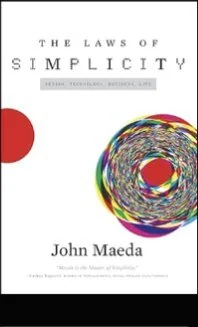
The Laws of Simplicity
John Maeda
Sets out ten principles for simplifying design, technology, business and life without losing what matters.
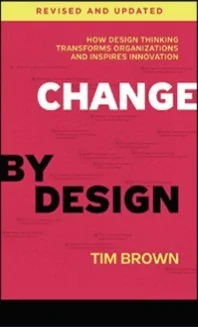
Change by Design
Tim Brown
Describes how organizations can use design thinking to drive innovation across the whole business.
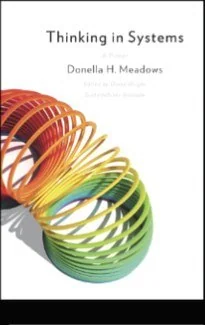
Thinking in Systems
Donella H. Meadows
Introduces how systems of stocks, flows and feedback loops behave, and where to intervene to change them.
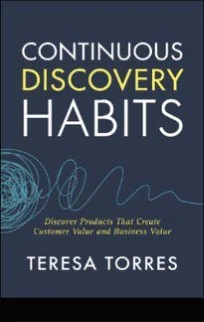
Continuous Discovery Habits
Teresa Torres
Lays out a weekly practice of customer interviews and opportunity mapping that keeps product teams learning as they build.
The World Beyond Your Head
Matthew B. Crawford
Argues that attention is a shared resource under siege, and that skilled engagement with the physical world is how we become individuals amid constant distraction.
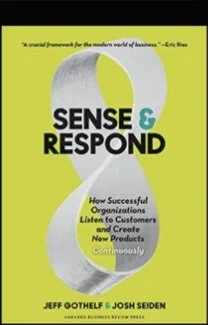
Sense & Respond
Jeff Gothelf and Josh Seiden
Shows how organizations can listen to customers continuously and adapt their products and management in short cycles.
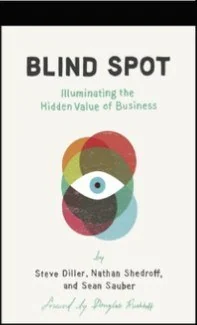
Blind Spot
Steve Diller, Nathan Shedroff and Sean Sauber
Explains how businesses can uncover the emotional, social and other hidden forms of value their customers care about.

Design for the Real World
Victor Papanek
Argues that designers carry social and ecological responsibility and should design for real human needs rather than consumption.
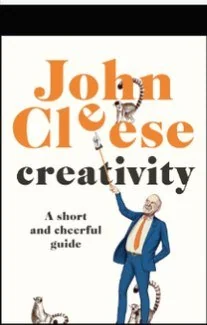
Creativity: A Short and Cheerful Guide
John Cleese
Offers practical advice on creating the time, space and mindset that let original ideas emerge.
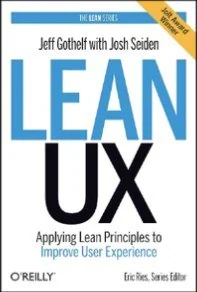
Lean UX
Jeff Gothelf with Josh Seiden
Shows how to make design part of a team’s build-measure-learn loop, focusing on outcomes instead of deliverables.
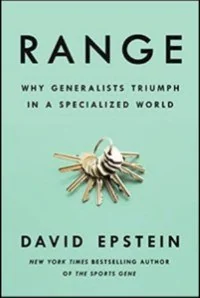
Range
David Epstein
Argues that broad experience and late specialization often lead to more success than early, narrow expertise.
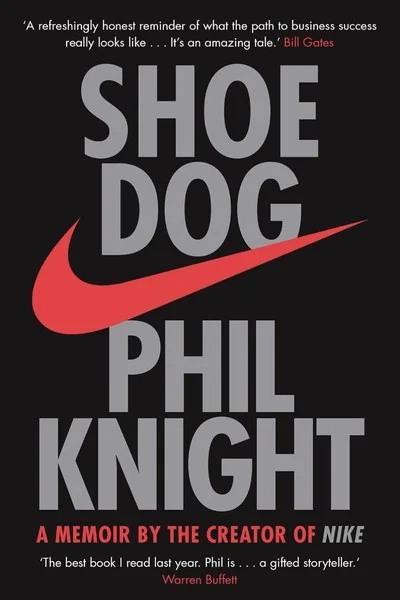
Shoe Dog
Phil Knight
Phil Knight’s memoir of building Nike, from selling imported Japanese running shoes out of his car to a global brand.
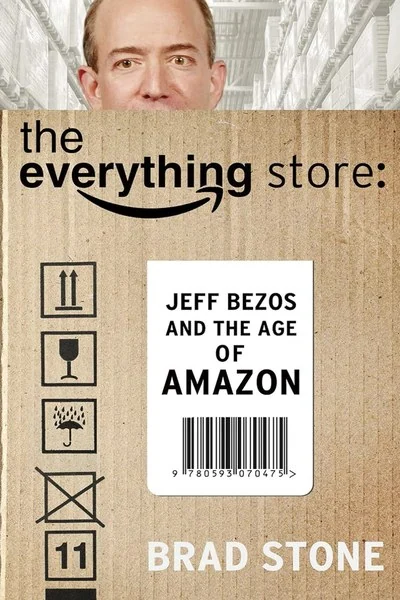
The Everything Store
Brad Stone
Traces how Jeff Bezos built Amazon from an online bookshop into a store for nearly everything, and the relentless culture behind it.
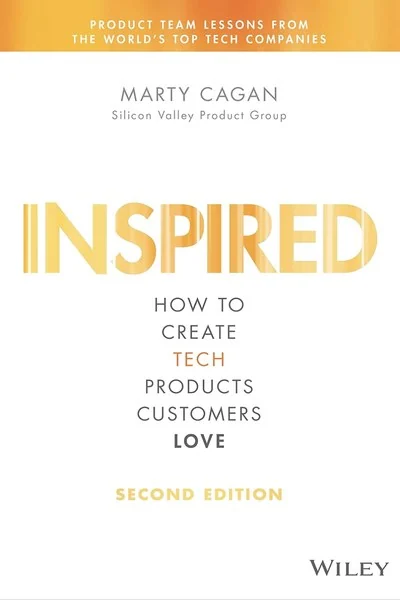
Inspired
Marty Cagan
Lays out how strong product teams discover and deliver products customers love, with product managers, designers and engineers working as partners.
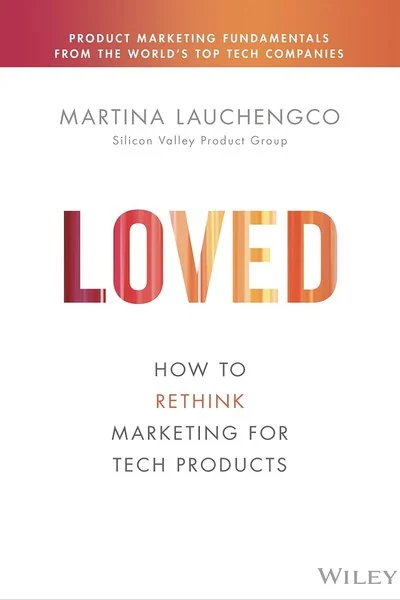
Loved
Martina Lauchengco with Marty Cagan
Explains how product marketing positions a product and tells its story so the right customers understand and adopt it.
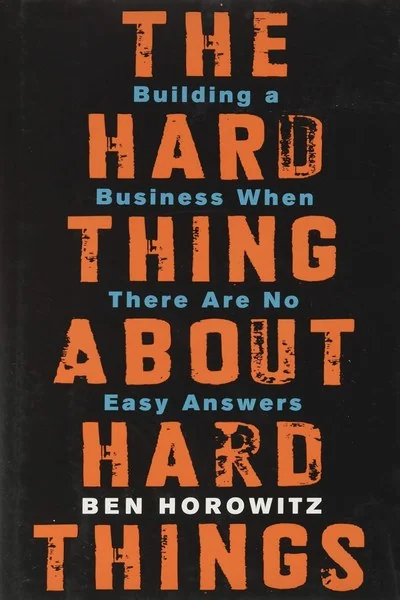
The Hard Thing About Hard Things
Ben Horowitz
A venture capitalist’s account of the hardest calls in running a startup, from layoffs to firing executives, when there are no easy answers.
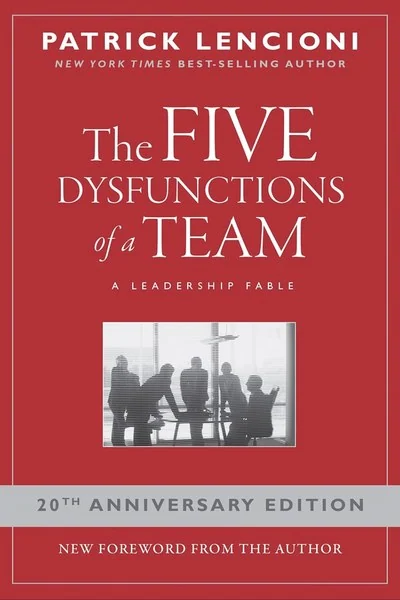
The Five Dysfunctions of a Team
Patrick Lencioni
A leadership fable about five ways teams fail, starting with an absence of trust.
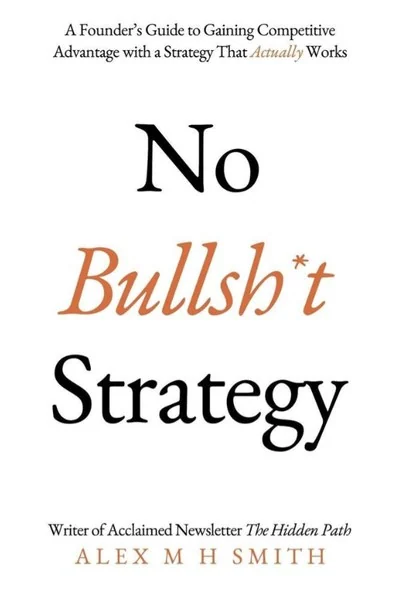
No Bullsh*t Strategy
Alex M. H. Smith
A practical guide for founders to find a real competitive advantage and turn it into a strategy that actually works.
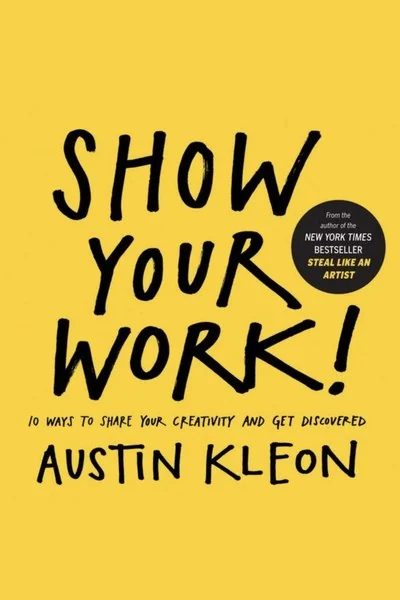
Show Your Work!
Austin Kleon
Encourages creative people to share their process openly, so others can find, learn from and support their work.
Geopolitics and history 22 books
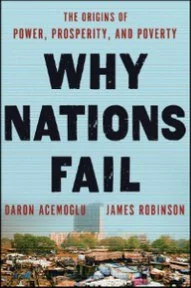
Why Nations Fail
Daron Acemoglu and James A. Robinson
Explores how a country’s political and economic institutions decide whether it grows prosperous or stays poor.

Nothing Is True and Everything Is Possible
Peter Pomerantsev
A documentary filmmaker’s account of working for Russian state television, and what its narratives reveal about power, politics, and paranoia in the 21st century.

The Brussels Effect
Anu Bradford
Shows how the EU shapes global rules on privacy, competition and safety, because companies adopt its standards everywhere to keep access to its market.
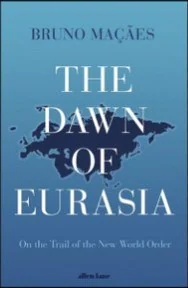
The Dawn of Eurasia
Bruno Maçães
Argues that Europe and Asia are merging into one political and economic space, drawing on the author’s travels across the supercontinent.
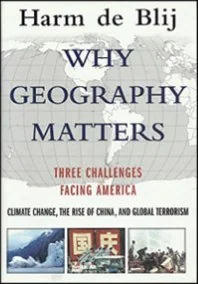
Why Geography Matters
Harm de Blij
Uses geography to explain climate change, the rise of China and global terrorism.
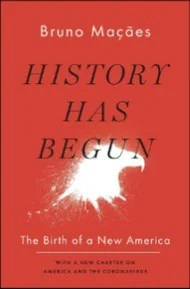
History Has Begun
Bruno Maçães
Argues that America is not in decline, but reinventing itself with political fictions that venture outside the boundaries of traditional liberalism.
Digital Empires
Anu Bradford
Compares the American, Chinese and European models for regulating technology and how they compete for influence worldwide.
After Hegemony
Robert O. Keohane
Explains how international institutions sustain cooperation between states even after a dominant power declines.
The Post-American World
Fareed Zakaria
Examines how the rise of China, India and other powers is reshaping a world long ordered by the United States.
The Clash of Civilizations
Samuel P. Huntington
Theorizes how to predict the fault lines of future conflicts, and how language, culture and religion shape social identity in a globally connected world.
Chindia
Pete Engardio (ed.)
Collects essays on how the rise of China and India as manufacturing and services powers is changing global business.
Apple in China
Patrick McGee
Investigates how Apple’s investment in Chinese manufacturing built up China’s tech industry and left the company dependent on it.
Destiny Disrupted
Tamim Ansary
Retells world history from the perspective of the Islamic world, from the life of Muhammad to the present day.
Who Lost Russia?
Peter Conradi
Traces how relations between Russia and the West broke down after the Cold War and slid into a new confrontation.
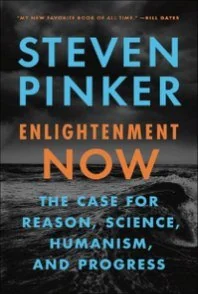
Enlightenment Now
Steven Pinker
Argues with data that reason, science and humanism have driven steady gains in health, wealth and safety.

American Nations
Colin Woodard
Traces the settlement patterns, cultural history and demography of eleven North American regions whose distinct values still shape their economies, voting habits and culture.
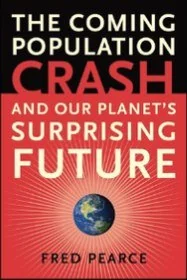
The Coming Population Crash
Fred Pearce
Argues that falling birth rates will shrink and age the world’s population, and explores what that means for economies and the environment.
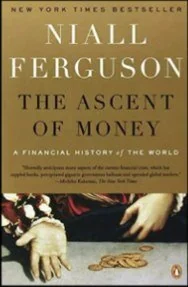
The Ascent of Money
Niall Ferguson
Traces the history of finance, from early credit and bonds to the crises of the modern global economy.
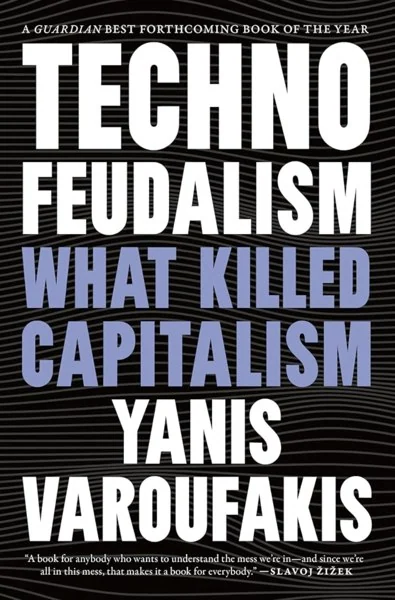
Technofeudalism
Yanis Varoufakis
Argues that big tech platforms have replaced markets with digital fiefdoms, where users and businesses pay rent to the owners of the cloud.
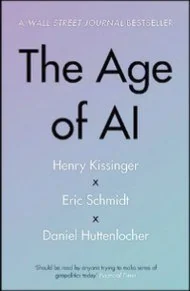
The Age of AI
Henry Kissinger, Eric Schmidt and Daniel Huttenlocher
Examines how artificial intelligence is changing knowledge, politics, security and what it means to be human.
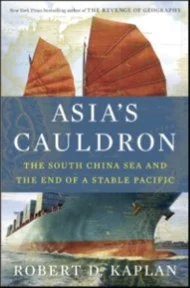
Asia’s Cauldron
Robert D. Kaplan
Examines the territorial disputes in the South China Sea and the rising risk of conflict among the powers around it.
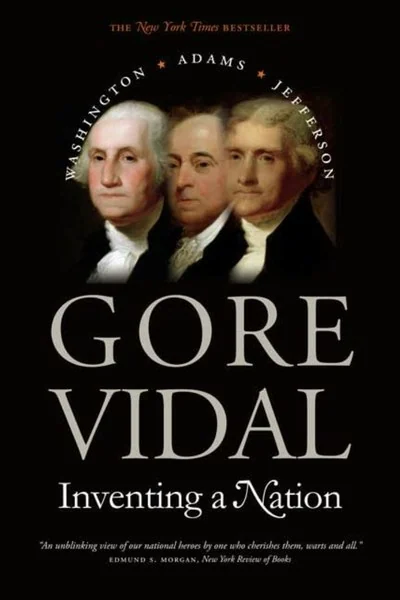
Inventing a Nation
Gore Vidal
Portrays Washington, Adams and Jefferson as flawed rivals improvising the founding of the United States.
People and society 11 books
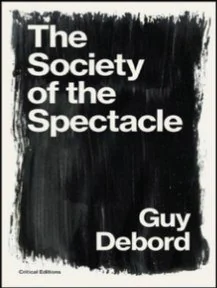
The Society of the Spectacle
Guy Debord
Examines how images and media came to stand in for lived experience in modern society.
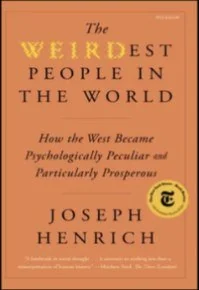
The WEIRDest People in the World
Joseph Henrich
Traces how the medieval church’s reshaping of family life produced the individualistic psychology behind Western institutions.
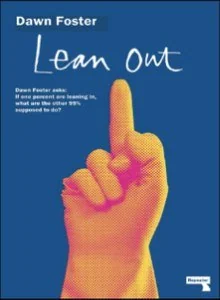
Lean Out
Dawn Foster
Critiques corporate feminism for focusing on women at the top while ignoring the working conditions of everyone else.
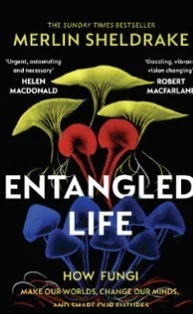
Entangled Life
Merlin Sheldrake
How fungi make our worlds, change our minds and shape our futures.
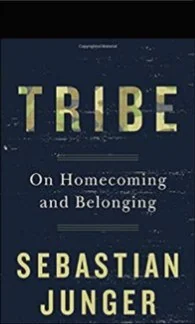
Tribe
Sebastian Junger
Examines why returning soldiers struggle to fit back in, and what modern society loses by abandoning close-knit community.
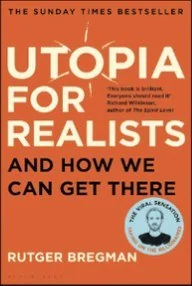
Utopia for Realists
Rutger Bregman
Makes the case for a universal basic income, open borders and a shorter working week.
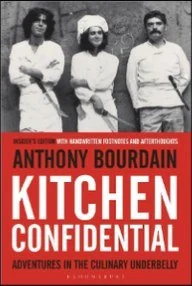
Kitchen Confidential
Anthony Bourdain
A chef’s memoir of life inside restaurant kitchens, from the craft and camaraderie to the chaos behind the scenes.
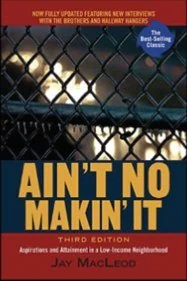
Ain’t No Makin’ It
Jay MacLeod
Follows two groups of teenage boys in a low-income housing project to show how class shapes aspiration and opportunity.
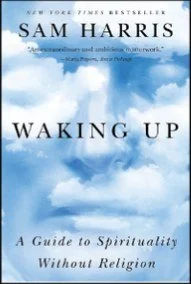
Waking Up
Sam Harris
Explores meditation, consciousness and the illusion of the self from a secular, scientific point of view.

And Yet…
Christopher Hitchens
A last collection of sharp essays on politics, books and culture.

Hyperpolitics
Anton Jäger
Argues that politics today is intensely charged online yet produces few lasting organizations or real consequences.
Art and fiction 6 books

Slaughterhouse-Five
Kurt Vonnegut
Follows Billy Pilgrim, an American prisoner of war who survives the firebombing of Dresden and becomes unstuck in time.

Dark Metropolis
Irving Norman
Surveys Irving Norman’s social surrealist paintings, which depict modern city life as crowded, mechanised and dehumanising.

Cat’s Cradle
Kurt Vonnegut
Follows a writer who stumbles onto a scientist’s family, an invented religion and a substance that could freeze all the water on Earth.

Gesichter der Renaissance
Exhibition catalog (Hirmer)
Presents Italian Renaissance portraiture and how capturing individual identity and status in a face became a basis for political power.
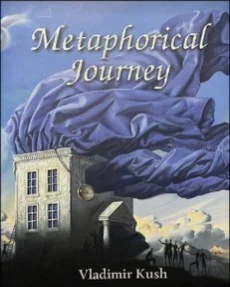
Metaphorical Journey
Vladimir Kush
Interprets Vladimir Kush’s paintings as metaphorical realism, using surrealist imagery as a language of symbols.

The Painted Bird
Jerzy Kosiński
A boy’s brutal journey through wartime Eastern Europe, meeting one ideology, faith and prejudice after another that people use to justify cruelty.
© 2026 Jesse Van Mouwerik